Quais são os principais benefícios de usar sistemas de energia isolados da rede elétrica para operações industriais remotas?
Apr 15, 2026
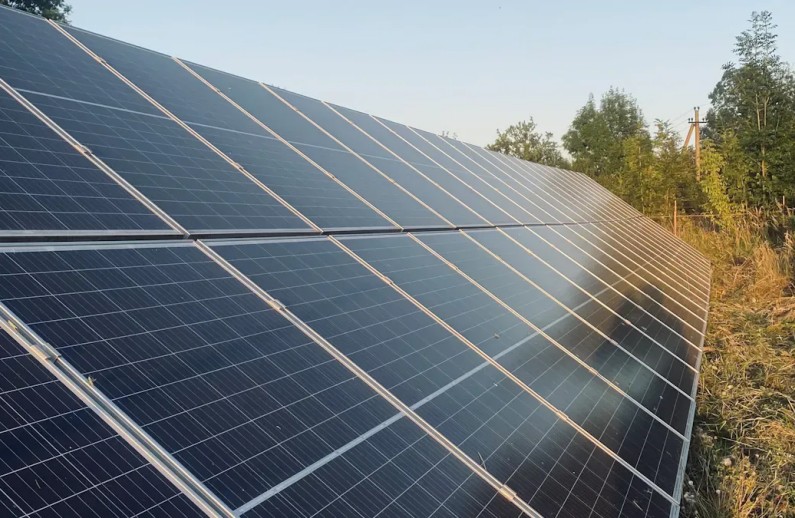
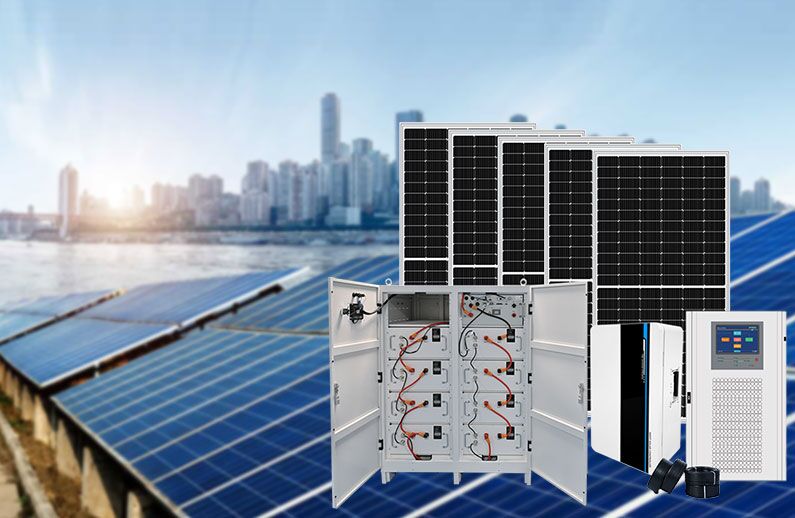
Soluções fora da rede elétrica permitem que instalações industriais remotas operem com independência energética, reduzindo a dependência de fontes de combustível tradicionais. Muitas empresas optam por um sistema de energia solar para garantir operações consistentes e custos mais baixos. A transição da energia da rede elétrica e do diesel surge da necessidade de energia confiável e do desejo de reduzir despesas com combustível e manutenção. Os sistemas solares fora da rede também contribuem para um ambiente mais limpo, minimizando as emissões de carbono e o ruído.A confiabilidade continua sendo crucial para operações remotas. A tabela abaixo compara geradores a diesel e sistemas solares isolados da rede com armazenamento: FatorGerador a dieselEnergia solar fora da rede + armazenamentoConfiabilidadeDependente do fornecimento de combustível e da manutenção.Alto (com dimensionamento e armazenamento adequados) Principais conclusõesSistemas solares isolados da rede fornecem energia confiável para locais industriais remotos, garantindo que as operações funcionem sem interrupções.A transição para energia solar fora da rede pode reduzir os custos de energia em até 70%, ajudando as empresas a economizar dinheiro com combustível e manutenção.Esses sistemas reduzem as emissões de carbono e a poluição sonora, tornando-os uma escolha ecologicamente correta para indústrias que buscam a sustentabilidade.Os projetos modulares permitem que as empresas expandam seus sistemas solares facilmente à medida que suas necessidades energéticas aumentam, garantindo flexibilidade e eficiência.Investir em energia solar fora da rede pode gerar economias significativas a longo prazo e um forte retorno sobre o investimento, geralmente dentro de 5 a 8 anos. Independência energética com energia solar fora da redeEnergia confiável para instalações industriais remotasSoluções solares isoladas da rede elétrica permitem que instalações industriais remotas operem sem interrupções. Esses sistemas geram eletricidade utilizando painéis solares e armazenam o excesso de energia em um banco de baterias. Essa configuração garante energia confiável mesmo durante a noite ou quando a luz solar é limitada. Por exemplo, uma mina localizada a mais de 200 quilômetros da rede elétrica mais próxima instalou um sistema de energia solar com 5 MW de painéis solares e 20 MWh de armazenamento em baterias de íon-lítio. Esse projeto reduziu o consumo de combustível em 65% e praticamente eliminou o tempo de inatividade. A empresa obteve um retorno positivo sobre o investimento em cinco anos. Esses resultados demonstram que os sistemas solares isolados da rede elétrica podem proporcionar tanto estabilidade operacional quanto benefícios financeiros.Painéis solares em sistemas de energia isolados da rede elétrica resistem a condições climáticas adversas. Painéis certificados resistem a granizo e ventos fortes. Suportes de montagem resistentes a furacões e projetos robustos protegem as instalações em ambientes extremos. O banco de baterias armazena energia para uso durante tempestades ou dias nublados. Sistemas bem construídos mantêm os equipamentos funcionando mesmo quando a rede elétrica falha. Sistemas avançados de armazenamento de baterias gerenciam a oferta e a demanda de energia, garantindo que locais remotos tenham energia contínua.Sistemas inteligentes de gerenciamento de energia preveem as necessidades energéticas e controlam os ciclos de carga das baterias. Essa tecnologia ajuda a manter o funcionamento consistente e reduz o risco de interrupções inesperadas. Minimizar a dependência da gradeAs soluções solares isoladas da rede permitem que as empresas evitem os riscos e custos associados à dependência da rede elétrica. Locais remotos frequentemente enfrentam desafios como conexões de rede instáveis ou escassez de combustível. Os sistemas isolados da rede operam de forma independente, portanto, não dependem de fontes de energia externas. Os painéis solares convertem a luz solar em eletricidade, enquanto o banco de baterias armazena energia para uso posterior. Essa abordagem garante que instalações industriais remotas possam manter suas operações mesmo durante interrupções na rede elétrica ou na cadeia de suprimentos.A transição para sistemas solares isolados da rede também ajuda as empresas a reduzir os custos operacionais. Ao diminuir a necessidade de combustível diesel, as instalações podem reduzir as despesas com energia em até 70%. Os sistemas isolados da rede também contribuem para a conformidade ambiental, reduzindo as emissões de carbono e a poluição sonora. Esses benefícios tornam as soluções solares isoladas da rede acessíveis e sustentáveis para uso a longo prazo.O monitoramento remoto e as ferramentas digitais avançadas aumentam ainda mais o valor dos sistemas isolados da rede elétrica. Essas tecnologias permitem a manutenção preditiva e reduzem a necessidade de pessoal no local. Como resultado, as empresas podem otimizar o uso de recursos e lidar com a falta de mão de obra qualificada local de forma mais eficaz. Economia de custos com soluções solares fora da redeRedução dos custos operacionais e de combustívelInstalações industriais remotas frequentemente enfrentam altos custos de energia devido ao transporte de combustível e à manutenção de geradores. Soluções solares isoladas da rede elétrica ajudam esses locais a alcançar uma redução significativa nos custos de energia, utilizando painéis solares e um banco de baterias para gerar e armazenar eletricidade no local. Essa abordagem elimina a necessidade de entregas constantes de combustível e reduz o risco de aumentos repentinos de preços. Por exemplo, uma instalação de mineração em uma região desértica remota obteve uma redução de 65% nos custos de combustível após a instalação de um sistema de energia solar. Muitos locais relatam economias potenciais de até 70% ao substituir geradores a diesel por painéis solares e bancos de baterias.A tabela a seguir destaca a diferença nos custos de instalação e manutenção entre geradores a diesel e sistemas fotovoltaicos solares: Fonte de energiaCusto de instalação (por kWh)Custo de manutenção (por kWh)Custo total da energia (por kWh)Geradores a dieselAlto custo inicialAlto e volátilAté US$ 0,672Sistemas fotovoltaicos solaresProjeto de grande porteCustos operacionais mínimosDe US$ 0,10 a US$ 0,33 Os painéis solares fornecem energia gratuita após a instalação, e o banco de baterias garante o fornecimento de energia mesmo em períodos de baixa luminosidade. Os custos de manutenção de um sistema solar isolado da rede elétrica permanecem baixos, tornando essa solução acessível a longo prazo. A relação custo-benefício da energia solar fica evidente ao comparar as despesas operacionais a longo prazo. Economia e retorno do investimento a longo prazoAs soluções de energia solar fora da rede oferecem um forte retorno financeiro para instalações industriais remotas. Esses sistemas podem eliminar as contas mensais de eletricidade e proteger as empresas das flutuações nos preços da energia elétrica. O custo decrescente dos painéis solares e os projetos de sistemas modulares permitem que as empresas expandam conforme necessário, pagando apenas pelo que consomem.Muitos locais remotos atingem o ponto de equilíbrio do investimento em 5 a 8 anos, dependendo do tamanho e da localização do projeto. Ao longo de um período de 30 anos, o retorno sobre o investimento pode variar de 150% a 500%. O banco de baterias fornece energia de reserva durante falhas na rede elétrica ou desastres naturais, garantindo a continuidade das operações. A economia ao longo da vida útil do sistema pode chegar a US$ 44.000 para algumas instalações. As soluções solares fora da rede oferecem energia confiável, acessível e escalável, tornando-as uma escolha inteligente para custo-benefício a longo prazo. Impacto ambiental de um sistema solar isolado da redeReduzindo a pegada de carbonoSistemas solares isolados da rede ajudam operações industriais remotas a reduzir seu impacto ambiental. Essas instalações geralmente dependem de geradores a diesel, que produzem altos níveis de emissões de carbono. Ao optar por painéis solares e armazenamento em baterias, as empresas podem reduzir o consumo de combustível e a poluição.Uma instalação de mineração que instalou 5 MW de painéis solares e 20 MWh de armazenamento de íons de lítio registrou uma queda de 65% no consumo de combustível.As soluções solares fora da rede podem reduzir os custos operacionais de combustível em até 70%, levando a reduções significativas nas emissões de carbono.Nos Emirados Árabes Unidos, a geração de energia solar custa até 75% menos que o diesel, o que incentiva a adoção de fontes de energia mais limpas.A energia solar fornece uma fonte de energia renovável que não emite gases de efeito estufa durante a operação. Isso torna os sistemas solares isolados da rede uma escolha ecologicamente correta para indústrias em locais remotos. Menores emissões também significam menos poluição do ar, o que beneficia tanto os trabalhadores quanto as comunidades locais.Empresas que investem em sistemas solares isolados da rede elétrica demonstram liderança em responsabilidade ambiental e dão um exemplo positivo para o setor. Apoio aos Objetivos de SustentabilidadeMuitos locais industriais remotos visam cumprir metas rigorosas de sustentabilidade. Os sistemas solares isolados da rede elétrica ajudam esses locais a alcançar progressos mensuráveis em direção a esses objetivos. MétricaValorReduções anuais de CO250.000 toneladas métricas/localeliminação do combustível dieselMilhões de galõesDiminuição da poluição atmosféricaRedução significativaDiminuição da poluição sonoraRedução significativa Sistemas isolados da rede elétrica proporcionam autonomia energética e permitem que comunidades remotas operem sem depender de redes centralizadas. Isso reduz a dependência de importações de combustíveis caros e apoia estratégias de energia sustentável a longo prazo. O uso de inversores solares possibilita que até mesmo áreas isoladas tenham acesso a energia confiável, o que está alinhado aos esforços globais para garantir energia acessível e moderna para todos.Ao adotar a energia solar fora da rede, as empresas podem cumprir as regulamentações ambientais, melhorar sua imagem pública e contribuir para um planeta mais limpo. Escalabilidade e flexibilidade para instalações industriais remotasExpansão modular de sistemas de energia solarInstalações industriais remotas frequentemente exigem soluções energéticas que possam crescer com suas operações. Um sistema de energia solar com design modular permite que as empresas adicionem capacidade conforme suas necessidades aumentam. Essa abordagem elimina a necessidade de adaptações complexas ou grandes mudanças na infraestrutura. As empresas podem começar com uma pequena instalação e expandir o sistema adicionando mais painéis solares e unidades de bancos de baterias ao longo do tempo. Essa flexibilidade garante que o fornecimento de energia corresponda à demanda, sem gastos excessivos com capacidade ociosa.Infraestrutura escalável permite implantação rápida em áreas remotas.Os painéis solares geram eletricidade no ponto de uso, o que melhora a confiabilidade.O banco de baterias armazena o excesso de energia, disponibilizando energia durante períodos de pouca luz solar.As soluções solares isoladas da rede elétrica operam independentemente das redes tradicionais. Essa característica as torna ideais para locais com acesso limitado ou instável à rede. A expansão modular também reduz o tempo de inatividade durante atualizações, o que ajuda a manter a operação contínua.Os sistemas modulares de energia solar híbrida podem integrar diferentes fontes de energia, oferecendo soluções personalizadas para requisitos específicos de cada projeto. Adaptação às necessidades energéticas em constante mudançaInstalações industriais remotas frequentemente enfrentam demandas energéticas variáveis devido ao crescimento do projeto ou à aquisição de novos equipamentos. Os sistemas solares isolados da rede elétrica resolvem esses desafios, permitindo atualizações e ajustes fáceis. As empresas podem planejar suas necessidades energéticas futuras e dimensionar seus sistemas conforme necessário.Diversos fatores contribuem para essa adaptabilidade:Os avanços na tecnologia de bancos de baterias melhoram a confiabilidade e a capacidade de armazenamento.As inovações em painéis solares aumentam a produção de energia e reduzem a necessidade de espaço.Sistemas inteligentes de gestão de energia permitem o monitoramento e a otimização do consumo de energia em tempo real.O apoio da comunidade e um planejamento cuidadoso garantem instalações bem-sucedidas fora da rede elétrica.Desafios logísticos, como transporte e manutenção de equipamentos, podem afetar locais remotos. No entanto, a acessibilidade dos sistemas modulares ajuda a reduzir essas barreiras. As soluções solares fora da rede elétrica fornecem uma fonte de energia confiável e flexível que cresce com as necessidades das operações industriais remotas. Aplicações práticas da energia solar fora da rede na indústriaMineração e Extração de RecursosOs locais de mineração e extração de recursos geralmente operam em regiões isoladas. Essas localidades exigem uma fonte de energia confiável para manter a produção contínua. As soluções solares fora da rede transformaram a gestão de energia para esses setores. Painéis solares de alta capacidade, combinados com sistemas avançados de bancos de baterias, fornecem energia constante, mesmo durante períodos de baixa luminosidade. O balanceamento de carga automatizado e algoritmos preditivos baseados em inteligência artificial otimizam a captura e a distribuição de energia, o que aumenta a confiabilidade operacional.A mina de Borden oferece um excelente exemplo. Após a instalação de um sistema de energia solar, a mina reduziu suas contas de energia em 35% no primeiro ano. No quarto ano, a instalação solar já havia se pago. Muitas minas relatam reduções nos custos de energia entre 20% e 40% no primeiro ano. Esses resultados demonstram que a instalação de sistemas solares fora da rede pode melhorar tanto o desempenho financeiro quanto a estabilidade do fornecimento de energia. Tipo de EvidênciaDescriçãoRedução de custosOs locais de mineração com instalações solares registraram uma queda de 20 a 40% nos custos de energia já no primeiro ano.Estudo de CasoA mina Borden reduziu suas contas de energia em 35% no primeiro ano após a adoção da energia solar.ConfiabilidadeOs modernos sistemas de energia solar, combinados com armazenamento em baterias, garantem um fornecimento contínuo de energia, equiparando-se às fontes tradicionais. Petróleo, gás e canteiros de obrasOs locais de exploração de petróleo e gás, bem como os canteiros de obras em áreas remotas, enfrentam desafios energéticos singulares. Sistemas de energia remota para aplicações industriais Atendemos a essas necessidades fornecendo eletricidade estável sem depender de combustíveis fósseis. Painéis solares e um banco de baterias alimentam equipamentos, iluminação e sistemas de segurança. Essas instalações criam empregos para trabalhadores locais e oferecem energia a um custo acessível para as comunidades vizinhas.Soluções solares fora da rede reduzem custos operacionais e o impacto ambiental.Elas aumentam a independência energética e abrem novas oportunidades econômicas.Os sistemas de energia renovável emitem poucos ou nenhum gás de efeito estufa, o que contribui para as metas climáticas.Um fornecimento de energia confiável melhora a produtividade e a segurança no local de trabalho.A transição para sistemas solares isolados da rede elétrica ajuda as empresas a reduzir custos e a cumprir normas ambientais. Esses benefícios tornam a energia solar uma opção viável para instalações industriais remotas. Telecomunicações remotasTorres de telecomunicações e estações de dados geralmente operam longe da rede elétrica principal. Sistemas solares isolados da rede geram, armazenam e distribuem energia de forma independente, tornando-os ideais para essas aplicações. Os painéis solares convertem a luz solar em eletricidade, que é armazenada em um banco de baterias para uso em dias nublados ou à noite.Os sistemas isolados da rede evitam os altos custos de extensão das linhas elétricas para locais remotos.Eles fornecem uma solução energética sustentável e acessível para infraestruturas de comunicação críticas.O fornecimento confiável de energia garante o serviço ininterrupto para comunidades remotas e equipes de emergência.As instalações solares isoladas da rede ajudam os provedores de telecomunicações a manter a confiabilidade operacional e a reduzir os custos de energia a longo prazo. Esses sistemas apoiam a expansão das redes digitais para regiões carentes de infraestrutura. sistemas industriais de energia solar remotos Essas instalações contam com uma fonte de energia confiável, economia de custos e benefícios ambientais. Muitos locais apresentam melhoria na qualidade de vida e crescimento econômico, como observado em vilarejos como Dharnai. Esses sistemas dão suporte a serviços essenciais e empresas locais. Os responsáveis pela tomada de decisão devem analisar as condições do local, as necessidades energéticas futuras e os desafios de instalação. > Especialistas recomendam consultar profissionais para projetar soluções que atendam às necessidades específicas e maximizem o valor a longo prazo. Perguntas frequentesO que são sistemas de energia fora da rede?Sistemas de energia isolados geram eletricidade independentemente da rede elétrica principal. Normalmente, combinam painéis solares, baterias e controladores. Esses sistemas fornecem energia confiável para locais remotos, reduzindo a dependência de fontes de energia externas e apoiando operações sustentáveis.Como os sistemas isolados da rede elétrica melhoram a confiabilidade?Sistemas isolados da rede armazenam o excesso de energia em baterias, garantindo fornecimento contínuo de energia em dias nublados ou à noite. Sistemas projetados adequadamente resistem a condições climáticas adversas e incluem opções de backup. Essa configuração garante a operação estável de instalações industriais remotas, mesmo quando o acesso à rede elétrica não está disponível.Os sistemas de energia fora da rede são economicamente viáveis?Sim, elas reduzem os custos operacionais ao diminuir as despesas com combustível e manutenção. Embora os investimentos iniciais possam ser altos, a economia a longo prazo resultante da redução do consumo de combustível e da manutenção mínima torna as soluções fora da rede financeiramente atraentes para indústrias em áreas remotas.Os sistemas fora da rede elétrica podem ser dimensionados para acompanhar o crescimento dos negócios?Com certeza. Os sistemas isolados da rede elétrica são modulares, permitindo que as empresas expandam a capacidade adicionando mais painéis solares ou baterias. Essa flexibilidade atende às necessidades energéticas variáveis sem grandes reformas, tornando-os ideais para operações remotas em crescimento.Quais setores industriais se beneficiam mais com sistemas de energia fora da rede?Os setores de mineração, petróleo e gás, construção civil e telecomunicações remotas frequentemente dependem de soluções fora da rede elétrica. Essas indústrias operam em áreas isoladas onde o acesso à rede elétrica tradicional é limitado, tornando-as inviáveis. sistemas industriais de energia fora da rede Essencial para operações contínuas e sustentáveis.




 REDE SUPORTADA
 Linguagem


