

Soluções híbridas de inversores solares para fábricas, armazéns e edifícios de escritórios.
Fábricas, armazéns e prédios de escritórios querem economizar energia. Eles também querem que o trabalho seja bem-sucedido todos os dias. Sistemas híbridos de inversores solares Ajudam a fornecer energia estável para as operações diárias, reduzindo o consumo geral de energia. Muitas empresas optam por esses sistemas em busca de energia limpa. Elas também desejam eletricidade ininterrupta. O mercado comercial está crescendo rapidamente, com previsão de crescimento de 8,1% até 2025. O governo oferece créditos fiscais e subsídios, o que facilita a utilização desses sistemas. Os altos preços e a tecnologia complexa podem representar um desafio inicial, mas cada vez mais pessoas querem ajudar o planeta.
As empresas querem usar menos energia e reduzir os custos operacionais. Como uma solução de inversor solar comercialOs sistemas híbridos ajudam as empresas a controlar melhor a geração, o armazenamento e o consumo de eletricidade. Esses sistemas decidem imediatamente se devem usar energia solar, armazená-la ou obter energia da rede elétrica. Esse sistema inteligente ajuda a reduzir as contas de energia e evita o desperdício.
Dica: As empresas podem economizar muito com sistemas de energia solar com armazenamento. Elas podem pagar menos pelas tarifas de demanda, que podem representar metade de seus custos com eletricidade. Também podem reduzir os custos de energia nos horários de pico em quase 30%.
Segue abaixo uma tabela que mostra quanto dinheiro as empresas podem economizar:
Tipo de Evidência | Descrição | Percentagem de poupança |
|---|---|---|
Redução da tarifa de demanda | As taxas de demanda podem chegar a 50% do custo total da eletricidade. | Até 50% |
Custo de pico de energia | Com sistemas de energia solar com armazenamento, as empresas podem reduzir os custos de energia nos horários de pico em quase 30%. | Quase 30% |
Os sistemas híbridos de inversores solares ajudam as empresas a recuperar o investimento mais rapidamente. A maioria dos grandes edifícios obtém retorno em três a seis anos. A taxa de retorno geralmente fica entre 10% e 20%.
Fábricas, armazéns e escritórios precisam de energia o tempo todo. Os sistemas híbridos de inversores solares mantêm as luzes acesas, mesmo se a rede elétrica falhar. Inversor solar com saída dupla inteligentePermite que o sistema alterne entre os modos conectado à rede e isolado da rede, garantindo que as cargas críticas permaneçam alimentadas durante interrupções no fornecimento de energia.
Nota: Os inversores híbridos mantêm o fornecimento de energia essencial durante interrupções no fornecimento. Eles ajudam as empresas a continuarem operando sem parar.
A tabela abaixo mostra como diferentes sistemas funcionam quando há uma queda de energia:
Tipo de sistema | Falta de energia? | Conexão à rede | Componentes principais | Benefício principal |
|---|---|---|---|---|
Grade padrão | No | Sim | Inversor conectado à rede | Custo inicial mais baixo, economizando nas contas. |
Conectado à rede com armazenamento | Sim (para algumas cargas) | Sim | Inversor híbrido, chave de transferência | Energia de reserva e economia na conta |
Fora da rede | Sim (potência máxima) | No | Inversor para sistemas isolados da rede elétrica | Autonomia energética total |
Os sistemas híbridos de inversores solares também ajudam a manter a estabilidade da rede elétrica. Eles evitam picos e quedas de tensão, garantindo a segurança dos equipamentos. Esses sistemas são úteis em programas de resposta à demanda. Durante períodos de pico, as empresas podem usar a energia armazenada em vez da energia da rede. Isso mantém a estabilidade da rede e gera economia.
Muitas empresas querem ajudar o planeta e atingir metas ecológicas. As soluções de inversores solares híbridos facilitam isso. Elas utilizam energia limpa e reduzem o consumo de combustíveis fósseis. A energia solar não gera emissões diretas, diminuindo assim a pegada de carbono de um edifício.
Os sistemas solares híbridos ajudam a reduzir a pegada de carbono de um edifício, utilizando menos combustíveis fósseis.
Eles ajudam a tornar o ar mais limpo e a reduzir os gases de efeito estufa.
Utilizar energia renovável ajuda as empresas a atingirem suas metas ambientais.
A energia solar não produz emissões diretas, sendo, portanto, uma opção limpa.
A transição para a energia solar é uma forma rápida para as empresas reduzirem sua pegada de carbono.
Os sistemas híbridos de inversores solares também ajudam as empresas a obterem certificações verdes. Esses sistemas geram eletricidade limpa e reduzem as emissões de Escopo 2, o que é importante para relatórios climáticos. O monitoramento avançado permite que as empresas acompanhem a energia solar e relatem o quanto reduziram as emissões.
Os inversores solares híbridos geram eletricidade limpa, o que reduz a pegada de carbono e ajuda as empresas a diminuir as emissões de Escopo 2, um fator importante para os relatórios climáticos.
O monitoramento avançado permite que as empresas acompanhem a energia solar em tempo real, para que possam medir e relatar suas reduções de emissões.
A norma IEC 62109 garante que o inversor seja construído com segurança.
A norma IEEE 1547 estabelece regras para o funcionamento dos inversores com a rede elétrica.
O teste UL 1741 SB certifica que o inversor funciona de forma segura e eficiente.
As soluções de inversores solares híbridos também ajudam as empresas a demonstrarem preocupação com o planeta. Elas geram confiança com os clientes que se importam com escolhas ecológicas e ajudam as empresas a se destacarem.
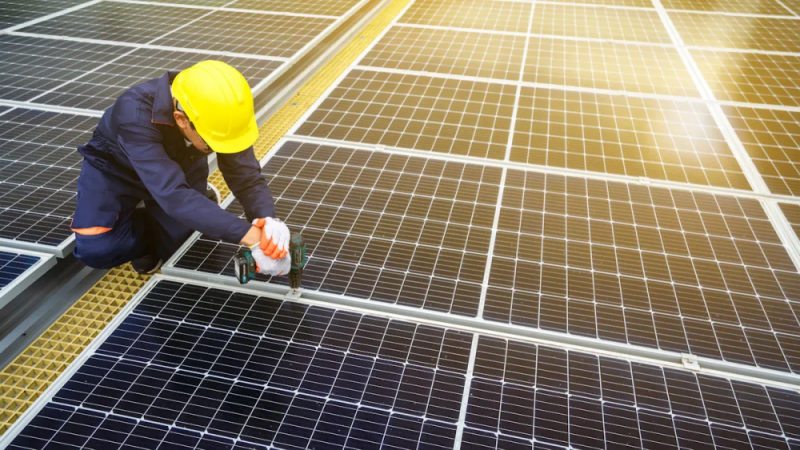
Os sistemas híbridos de inversores solares ajudam os edifícios a usar a energia solar de forma inteligente. Eles utilizam painéis solares e baterias para armazenar energia extra para uso posterior. O sistema seleciona a melhor fonte de energia para o edifício, podendo usar energia solar, de baterias ou da rede elétrica, conforme a necessidade. Isso mantém as luzes acesas, mesmo em caso de queda de energia. Muitos sistemas utilizam a energia armazenada quando a eletricidade está mais barata, o que ajuda as empresas a economizar dinheiro. As pessoas podem verificar seu consumo de energia de qualquer lugar. Esses sistemas podem ser ampliados caso uma empresa precise de mais energia, tornando-os uma boa opção para fábricas, armazéns e escritórios. Os sistemas híbridos de inversores solares também seguem as normas da rede elétrica para garantir a segurança do fornecimento de energia.
Dica: O uso inteligente de energia ajuda as empresas a economizar dinheiro e a trabalhar melhor.
Recurso | Inversores solares híbridos | Inversores tradicionais |
|---|---|---|
Independência energética | Possibilita a independência energética com armazenamento em baterias. | Depende exclusivamente da energia da rede elétrica. |
Redução de custos | Reduz as contas de energia utilizando energia solar e armazenamento. | Economias limitadas, principalmente dependentes da rede elétrica. |
Aumento da eficiência | Atinge níveis de eficiência de até 97%. | Geralmente, classificações de eficiência mais baixas. |
Flexibilidade | Compatível com diversos painéis solares e sistemas de baterias. | Limitado a tipos de painel específicos |
Energia de reserva durante interrupções de energia | Fornece energia de reserva confiável durante interrupções de energia. | Sem capacidade de backup |
Controle Inteligente de Energia | Utiliza programas inteligentes para gerenciamento de carga. | Não possui recursos avançados de gerenciamento de energia. |
Os sistemas híbridos de inversores solares funcionam em conjunto com baterias e a rede elétrica para manter a energia estável. Eles armazenam o excesso de energia solar em baterias para uso posterior, o que é útil durante apagões ou quando o custo da energia aumenta. Esses sistemas podem lidar com grandes volumes de energia provenientes de painéis solares e baterias, o que é importante para grandes edifícios. Eles auxiliam a rede elétrica, mantendo a tensão estável e a qualidade da energia elevada. Os sistemas híbridos de inversores solares transferem energia entre a energia solar, as baterias e a rede elétrica, permitindo que os edifícios utilizem energia limpa e mantendo o bom funcionamento do sistema.
Nas fábricas, esses sistemas utilizam energia solar e baterias para reduzir custos e usar menos energia da rede elétrica.
Eles fornecem energia de reserva caso as luzes se apaguem, para que o trabalho não seja interrompido.
Os sistemas híbridos de inversores solares ajudam a rede elétrica, mantendo a tensão estável.
Os sistemas híbridos de inversores solares ajudam a otimizar o funcionamento de sistemas de climatização (HVAC) e estações de carregamento de veículos elétricos. Eles utilizam energia solar para esses sistemas, reduzindo a poluição e economizando dinheiro. As empresas podem adicionar mais painéis solares e baterias conforme a necessidade de energia. Isso facilita a instalação de mais carregadores para veículos elétricos. O custo de instalação do sistema solar é amortizado ao longo do tempo. O excedente de energia pode ser armazenado ou enviado para a rede elétrica. Utilizar mais energia solar significa menos emissões de carbono e contribui para a preservação do planeta. Os sistemas híbridos de inversores solares também mantêm a energia estável, protegendo os equipamentos de climatização e de carregamento de veículos elétricos.
A energia solar torna o carregamento de veículos elétricos mais limpo e ajuda o meio ambiente.
Os sistemas híbridos de inversores solares facilitam a adição de mais carregadores para veículos elétricos.
Economizar ou vender o excesso de energia gera economia a longo prazo.
O uso da energia solar reduz a emissão de carbono e a poluição do ar.
Esses sistemas mantêm a tensão e a frequência estáveis para proteger os equipamentos.
Os painéis solares captam a luz solar e a transformam em eletricidade. A maioria das empresas utiliza painéis solares monocristalinos. Esses painéis são populares por apresentarem um ótimo desempenho. Painéis bifaciais também podem ser utilizados, mas são mais caros e menos comuns. Painéis policristalinos e de película fina também estão disponíveis, mas não são tão eficientes para sistemas híbridos de inversores solares. As empresas optam por painéis monocristalinos para obter o máximo de energia possível de seus telhados.
Os inversores híbridos interligam painéis solares, baterias e a rede elétrica. Existem dois tipos principais: inversores de string e inversores centrais. Os inversores de string são ideais para edifícios que desejam adicionar energia solar gradualmente. Eles geram mais energia na prática, pois apenas alguns painéis perdem potência caso outros fiquem sombreados ou não estejam conectados corretamente. Os inversores centrais são mais adequados para grandes instalações, como fábricas ou armazéns. Eles gerenciam grandes quantidades de energia provenientes de vários painéis solares simultaneamente, às vezes até mesmo megawatts. A tabela abaixo mostra as diferenças entre os inversores de string e os inversores centrais:
Tipo inversor | Características de eficiência | Características de escalabilidade |
|---|---|---|
Inversores de string | Maior rendimento energético no mundo real; perdas confinadas a pequenas áreas devido ao sombreamento/painéis incompatíveis. | Altamente escalável para crescimento incremental. |
Inversores centrais | Maior eficiência nominal (até 99%); maiores perdas por incompatibilidade em condições menos ideais. | Escalável apenas em grandes saltos de capacidade. |
Dica: Os inversores de string permitem que as empresas expandam a energia solar gradualmente. Os inversores centrais são mais indicados para grandes projetos que exigem muita energia de uma só vez.
O armazenamento em baterias permite que os edifícios armazenem energia solar excedente para uso posterior. Os sistemas híbridos de inversores solares carregam as baterias quando há sol. À noite ou em caso de queda de energia, as baterias fornecem energia de reserva. Isso significa que os edifícios não precisam de tanta eletricidade da rede e podem economizar dinheiro. O armazenamento em baterias também ajuda as empresas a controlar melhor seu consumo de energia. A tabela abaixo explica o que as baterias fazem:
Funcionalidade | Descrição |
|---|---|
Armazenamento de energia | Os inversores híbridos armazenam o excesso de energia solar em baterias para uso posterior. |
Eficiência de custos | Garante que a energia solar barata esteja disponível quando a energia da rede elétrica ficar mais cara. |
Energia de reserva | Fornece energia durante apagões, especialmente à noite. |
Os sistemas híbridos utilizam energia solar e energia da rede elétrica.
Eles mantêm a energia ligada o dia todo.
Eles armazenam energia extra e ajudam as empresas a usar menos energia da rede elétrica.
Os sistemas de gestão de energia ajudam os edifícios a usar a energia de forma inteligente. Esses sistemas verificam quanta energia provém de painéis solares, baterias e da rede elétrica. Eles selecionam a melhor fonte com base na necessidade do momento. As empresas podem pagar menos pela energia e, às vezes, ganhar créditos vendendo o excedente. Os sistemas de gestão de energia mantêm a tensão e a frequência estáveis para proteger os equipamentos. Eles também ajudam as empresas a depender menos da rede elétrica.
Os inversores solares híbridos melhoram o fluxo de energia.
As empresas consomem menos energia da rede elétrica e economizam dinheiro.
O armazenamento em baterias fornece energia de reserva caso a rede elétrica falhe.
Os inversores formadores de rede mantêm a tensão e a frequência estáveis.
As empresas conquistam maior independência energética e reduzem seus custos.
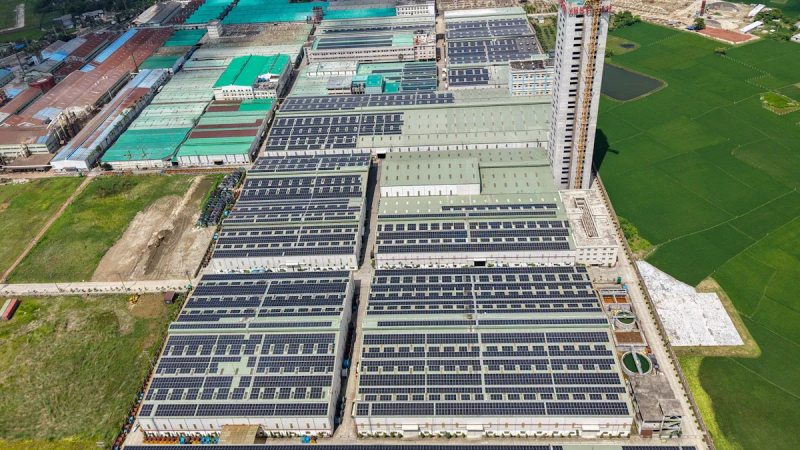
As fábricas consomem muita eletricidade para suas máquinas. Os sistemas híbridos de inversores solares ajudam as fábricas a lidar com grandes necessidades de energia. Eles utilizam energia solar durante o dia e, em outros momentos, alternam para a energia da bateria. As fábricas podem escolher modelos como unidades de 30K ou 60K para atender às suas necessidades. A saída trifásica ajuda a operar máquinas pesadas e mantém a produção em andamento. Esses sistemas se conectam à rede elétrica do prédio, facilitando as atualizações. A verificação e a limpeza regulares do sistema garantem seu bom funcionamento. Cuidar do sistema preventivamente evita grandes reparos e perda de tempo. Os inversores podem precisar ser trocados a cada 10 a 15 anos. As baterias podem perder a capacidade de carga com o tempo.
Os armazéns possuem grandes telhados, ideais para a instalação de painéis solares. Os sistemas híbridos de inversores solares permitem que os armazéns utilizem a energia solar gerada no telhado e economizem energia. Esses sistemas não exigem muita manutenção e ajudam a reduzir custos. A tabela abaixo compara diferentes opções de energia para armazéns:
Opção de energia | Custo de instalação | Custo operacional | Manutenção | Independência energética |
|---|---|---|---|---|
Eletricidade somente da rede elétrica | Baixo | Tarifas mensais elevadas | Moderado | Nenhum |
Geradores de reserva a diesel | Médio | Muito alto (combustível + ruído) | Freqüente | Parcial |
Sistema solar + inversor | Médio | Muito baixo | Mínimo | Alto |
Sistema híbrido de energia solar e armazenamento | Mais alto | Muito baixo (uso próprio otimizado) | Baixo | Completo |
Sistemas solares de grande porte com inversores híbridos podem reduzir as contas de energia em até 45%. Eles também diminuem as emissões de CO₂ em mais de 70 toneladas por ano para cada edifício. Componentes importantes, como painéis solares e suportes, precisam ser verificados periodicamente para evitar danos. A manutenção preventiva do sistema economiza dinheiro e garante seu funcionamento contínuo.
Os escritórios obtêm melhor aproveitamento de energia e maior conforto com sistemas híbridos de inversores solares. Esses sistemas fornecem energia limpa para iluminação, computadores e ar condicionado. Após a instalação de painéis solares e a consequente economia de energia, os escritórios reduziram o consumo em 65%. Os sistemas fotovoltaicos podem suprir 20% da energia, resultando em uma economia total de 85%. O consumo médio de energia nos escritórios caiu de 3,6 kW para 20,2 kW após as melhorias. Alguns painéis geram tanto eletricidade quanto calor. Em um exemplo, a instalação de módulos fotovoltaicos no telhado e nas paredes reduziu o consumo de energia e calor. A energia solar forneceu 98,4% da refrigeração e 51,6% da eletricidade. Os escritórios podem expandir seus sistemas, se necessário, e conectá-los à infraestrutura existente.
Cada edifício consome uma quantidade diferente de energia. Os gestores de instalações precisam verificar o tamanho do edifício e o seu consumo diário. O tipo de equipamento presente no interior também é importante. Um pequeno escritório não precisa de tanta energia quanto uma grande fábrica. A tabela abaixo mostra os tamanhos de painéis solares e baterias mais adequados para diferentes tipos de edifícios:
Tipo de instalação | Tamanho solar | Tamanho da bateria | Carga de pico | Tamanho ideal do inversor |
|---|---|---|---|---|
Apartamento pequeno | 3 kW | 5 kWh | 2,5 kW | 3–4 kW |
Casa de tamanho médio | 6 kW | 10 kWh | 5 kW | 5–6 kW |
Casa grande com veículo elétrico | 10 kW | 20 kWh | 9 kW | 8–10 kW |
Fábricas e armazéns precisam de sistemas maiores do que residências. Os gerentes devem verificar o pico de consumo de energia e pensar nas necessidades futuras. Escolher o tamanho certo economiza dinheiro e garante fornecimento de energia estável.
Os gestores precisam analisar tanto os sistemas híbridos quanto os tradicionais. Devem considerar os seguintes aspectos:
Quanto custará o sistema?
Quais são as metas energéticas da empresa?
Caso seja necessário armazenamento de bateria
Quanta independência energética é desejada?
Se a energia de reserva for importante
Quão difícil é usar o sistema?
Os gestores também devem:
Verifique quanta energia o edifício consome.
Pense no alto custo inicial.
Compare os custos de instalação e manutenção com a economia futura.
Os sistemas híbridos de inversores solares costumam ser mais flexíveis. Eles oferecem melhor energia de reserva do que os sistemas antigos. Esses sistemas ajudam as empresas a atingir suas metas de energia e economizar dinheiro ao longo do tempo.
Para garantir segurança e bons resultados, é fundamental escolher um fornecedor confiável. Os fornecedores devem seguir normas importantes e possuir as certificações adequadas. A tabela abaixo lista alguns padrões essenciais:
Padrão | Propósito |
|---|---|
UL 1741 SB | Certifique-se de que o inversor seja seguro e tenha sido devidamente testado. |
IEEE 1547 | Define as regras para conectar sistemas de energia solar e armazenamento à rede elétrica. |
IEC 62109 | Estabelece regras de segurança para proteger as pessoas contra perigos elétricos. |
Um bom fornecedor sabe como trabalhar em grandes projetos. Ele também conhece as leis locais. Deve auxiliar na instalação e manutenção. Isso mantém o sistema seguro e funcionando por muito tempo.
As soluções de inversores solares híbridos são muito úteis para grandes edifícios. Elas fornecem energia limpa e constante, reduzindo as contas de energia. Esses sistemas ajudam os edifícios a usar a energia de forma mais eficiente, armazenando o excesso de energia para uso posterior. Isso significa que as empresas consomem menos combustíveis fósseis. Os gestores de instalações podem expandir o sistema conforme a necessidade de energia. A tabela abaixo mostra como os inversores solares híbridos contribuem para o crescimento e o desenvolvimento de novas tecnologias.
Beneficiar | Descrição |
|---|---|
Escalabilidade | Os designs modulares facilitam a adição de mais unidades à medida que as necessidades energéticas aumentam. |
Eficiência de custos | Economiza dinheiro ao não comprar muitos equipamentos de uma vez. |
Flexibilidade para o crescimento | Permite que as empresas adicionem mais energia gradualmente à medida que crescem. |
Os gestores de instalações devem verificar as necessidades dos seus edifícios. Devem considerar os inversores solares híbridos para poupar dinheiro e ajudar o planeta no futuro.
Adicionar :5th Floor, Building B, No.2817 Kaichuang Avenue, Science Zone, Huangpu District, Guangzhou, China


Anern Industry Group Limited Todos os direitos reservados
.Xml | política de Privacidade  REDE SUPORTADA
 Linguagem


